Ultimate Guide to Tattamangalam Kuthira Vela Festival in Kerala
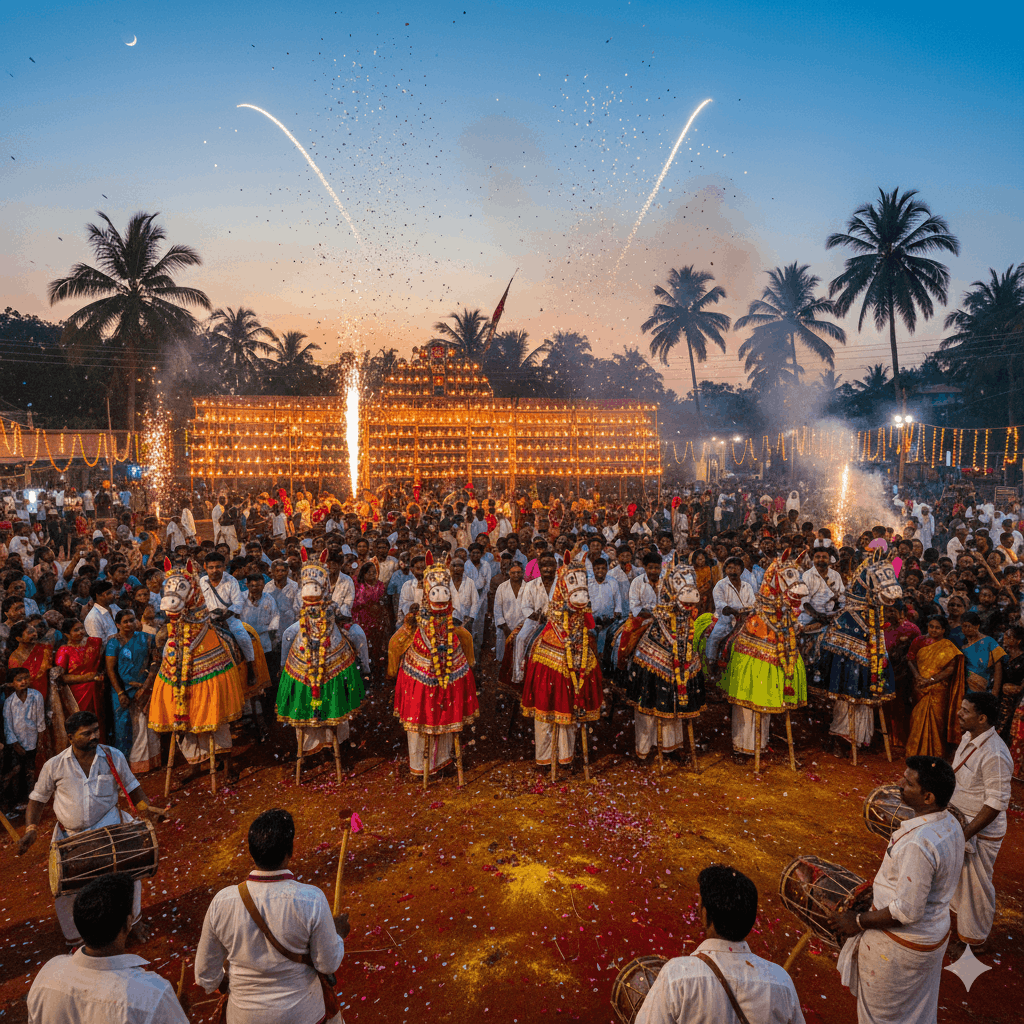
The Tattamangalam Kuthira Vela Festival is one of Kerala’s most unusual street festivals: real horses, a packed roadside crowd, and a race that turns an ordinary stretch of town into a moving, cheering arena. Locals call it Tattamangalam Kuthira Vela and many people know it by another name, Angadi Vela. It takes place in Tattamangalam in Palakkad district, near the Chittur side of Kerala.
This guide is written for someone planning to visit, photograph, or simply understand what happens and why it matters. You’ll get a clear idea of the festival timeline, the horse race day, the mood on the street, what to wear and carry in April, where to stand, and how to move around town without stress.
What is the Tattamangalam Kuthira Vela Festival?
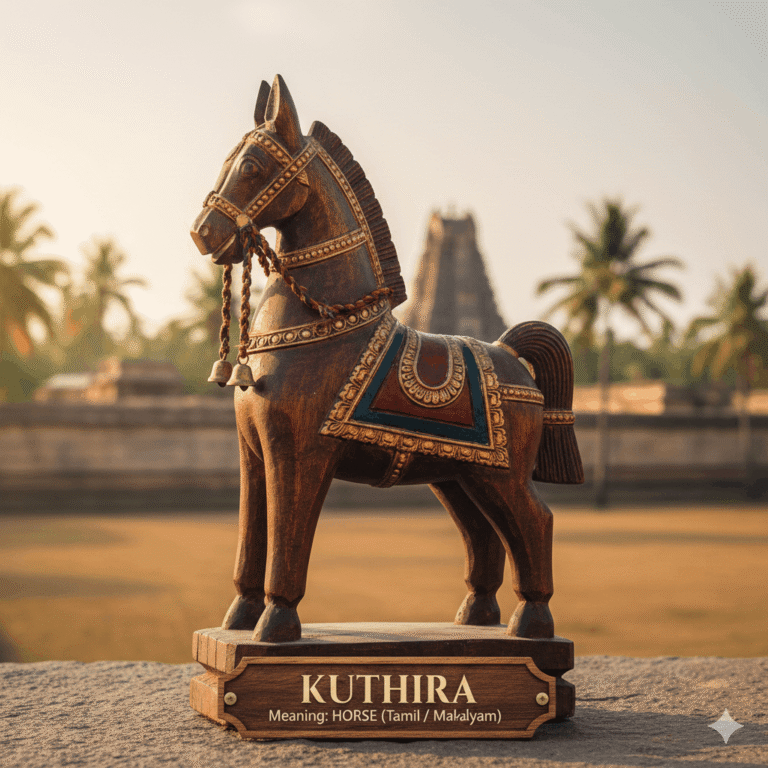
Kuthira means “horse” and Vela means “festival” in Malayalam. The name is straightforward: it’s a festival known for a horse race and related rituals held in the town area of Tattamangalam.
Many write it as “Kuthiravela” (one word). Many people call it Angadi Vela, a name linked to the market-street feel and the public nature of the event.
At its center is a public horse race, held on a main road with spectators lining both sides. Kerala Tourism’s official video gallery describes the race as happening on the 7th day of a 15-day festival period.
Where it happens and what the town feels like on festival week
Tattamangalam sits in Palakkad district, close to Chittur. It’s known locally for temples and a community mix shaped by trade and movement across the Kerala–Tamil Nadu border region. A local history note on Tattamangalam describes the village setting near Chittur Puzha and its culture tied to agriculture and temples.
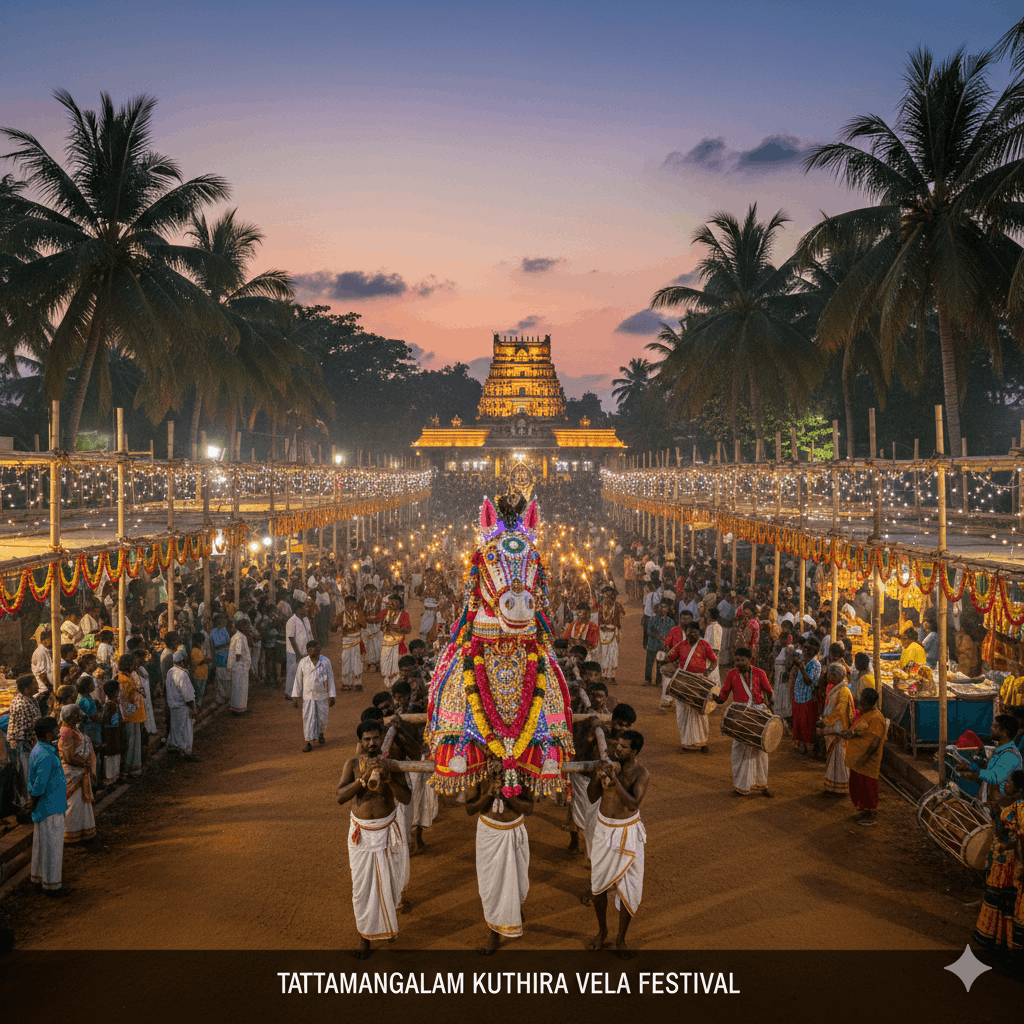
On festival days, the feel changes completely. A road that looks normal on an ordinary afternoon becomes a corridor of people, sound, and movement. Shops open early, families arrive with food and water, and visitors start picking their viewing spots long before the horses appear.
When is Tattamangalam Kuthira Vela Festival held?
A common travel question is the date. Sources describing the festival connect it to Vishu season in April, with the race happening during the festival period. Kerala Tourism’s entry frames it around a 15-day observance, with the race on day seven.
The “Vishu week” planning idea
Vishu falls in mid-April most years. Festival timing is usually discussed in relation to that season. For planning, treat it as an April festival with crowds and heat typical of Kerala in that month.
A realistic visitor tip for dates
If you plan travel from another district, treat the event as date-sensitive. Confirm locally closer to travel since annual scheduling can shift by local calendar decisions and temple timelines.
What happens during the festival?
The festival is not a single-hour event. It has a build-up, a peak day, and a wind-down.
The 15-day frame and the race day
Kerala Tourism notes the race is held on the 7th day of a 15-day festival.
That structure matters for visitors:
- Early days: town mood builds, small rituals happen, visitors start arriving
- Race day: huge crowd, fastest movement, loudest energy
- Later days: calmer, more space to observe without a crush
A well-known opening ritual tied to harmony
Kerala Tourism’s description mentions a ritual where a leader from the Mooppan family lights the torch, framed as a gesture highlighting Kerala’s religious harmony.
This detail often becomes a talking point in stories and local retellings, since it shows the festival’s community character beyond the race itself.
The race itself: what you will see
Expect:
- Horses moving at speed on a public road
- Riders guiding them through a tight corridor of spectators
- A crowd reacting loudly, then settling, then rising again with each run
One Kerala Tourism entry notes around 120 horses participated in a referenced year.
Numbers vary by year, yet the point stands: it’s not a small, private race. It’s a public-scale event.
The “Kari Vela” guards and why the crowd stays controlled
Many visitors notice men painted black along the route. Wikipedia describes volunteers painted black with charcoal, called Kari Vela, acting as guards to manage spectators during the race.
This is practical crowd control. A fast-moving horse needs a clear path. The painted volunteers are part of the visual identity of the festival and part of the safety system that keeps the roadside line from collapsing into the track.
What makes this festival different from many Kerala events
Kerala has processions, percussion, temple festivals, and elephants in many places. Tattamangalam stands out for the horse focus and the street-race format.
The street format changes everything
A stadium race has barriers and controlled entry. A road race inside a town has:
- Spectators inches away from the action
- Limited space
- Quick shifts in crowd movement
That closeness is a major reason it draws people.
The “town festival” feeling
This is not a tourist-only event. Local families attend with children, older relatives, and groups of friends. Visitors blend into that mix.
How to reach Tattamangalam for the festival
People usually approach via Palakkad district routes and the Chittur side. The exact best route depends on where you’re staying.
Reaching the area from Palakkad side
Palakkad town is the district hub. From there, many people head toward Chittur and Tattamangalam by road.
Local movement on race day
Race day is not the day to “arrive late and park near the route.” Expect crowded roads and limited parking near the main viewing corridor.
A safer plan:
- Reach early
- Park further out
- Walk in
- Pick a spot and stay put during the peak runs
That saves you from getting stuck in slow-moving traffic once crowds build.
Where to stay near Tattamangalam
Tattamangalam is near Chittur and within Palakkad district. Most visitors pick stays based on comfort and transport.
Two common stay styles
Palakkad town stay: more hotel options, easier booking, longer daily travel.
Closer local stay: shorter travel on festival day, fewer formal hotel choices.
If you value sleep and smooth movement, Palakkad town can be easier for most visitors. If you value being near the action early, staying closer can work, as long as you plan transport in advance.
What to wear and carry in April
April in Kerala can feel hot and bright, and crowds add heat. Plan for comfort.
Clothing
Loose cotton clothing works well. Light colors help under sun.
Carry items
Water is the first priority. Add basic sun protection. Comfortable footwear matters since you may walk more than expected.
Keep bags small on peak day. A big backpack in a tight crowd becomes a problem fast.
Where to stand and how to watch respectfully
The best viewing spot is not always the closest spot. Being too close can be risky and can block locals who arrived earlier.
A simple viewing rule
If the crowd line is being held by volunteers or locals, follow their directions. The route needs to stay open for the horse path.
Photography manners
Photos and video are common, yet a camera should never become a reason to step into the path or push the front line. Use zoom, pick a stable spot, and avoid flash near animals.
A short safety section for first-time visitors
A road race with large crowds needs basic caution.
Crowd movement
Crowds can surge when people try to get a better view. Keep your footing stable and keep children close.
Listening to route marshals
Kari Vela guards and local helpers are there for route safety. If they ask the crowd to step back, step back.
Food and hydration
Dehydration makes heat feel worse. Drink water even if you do not feel thirsty.
Why this festival matters in Kerala’s travel calendar
Kerala’s tourist numbers show how wide the travel interest is across the state. Kerala Tourism’s official statistics report 21,871,641 domestic tourist visits and 649,057 foreign tourist visits in 2023.
Festivals are a major part of cultural travel in Kerala, and events like Kuthira Vela add a distinct experience beyond beaches and backwaters.
This festival is not a “big-city stage event.” It’s a local cultural day that becomes huge on the street. That mix is what many travelers look for when they want something real and rooted.
Quick facts you can save for planning
Tattamangalam Kuthira Vela Festival is held in Tattamangalam, Palakkad district.
It’s known as Angadi Vela as well.
Kerala Tourism describes the race as taking place on the 7th day of a 15-day festival, with around 120 horses in a referenced year.
A torch-lighting ritual involving the Mooppan family is described as a harmony gesture.
Kari Vela volunteers painted black act as crowd guards during the race.
Closing thoughts
If you want a Kerala festival experience that feels raw, close, and community-led, the Tattamangalam Kuthira Vela Festival is worth planning for. Go early, treat race day as a full-day event, carry water, and respect the route line. The reward is a rare sight: horses running through a town corridor, with a crowd that knows exactly why it came.