History of Horse Festivals in South India Explained
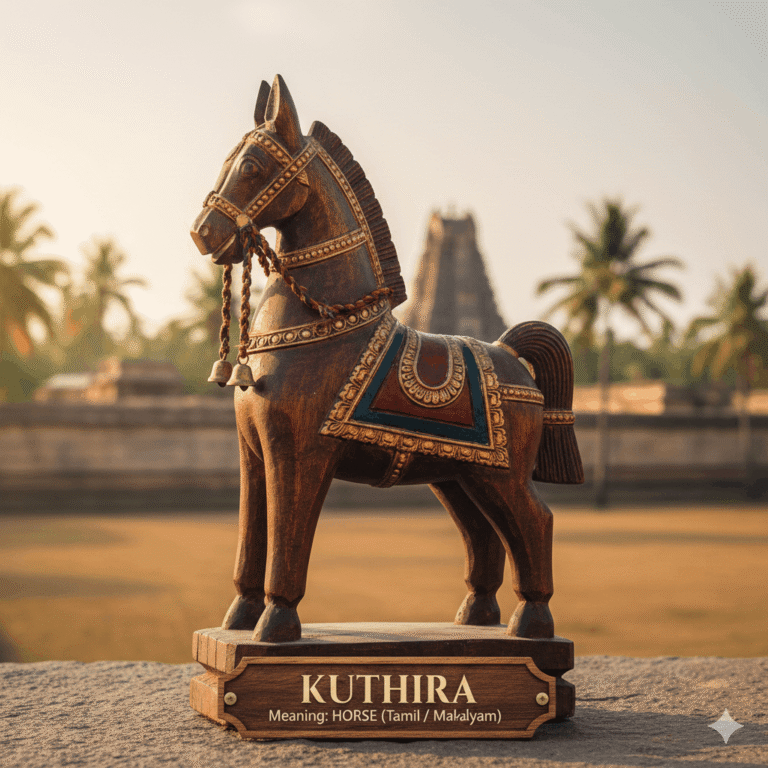
When people type horse festivals South India history into Google, they usually mean more than “a festival with a horse.” In South India, horse-related celebrations show up in several forms: real horse races, temple processions where a deity rides a horse mount, towering festival structures called kuthira in Kerala, and folk parades that carry decorated horse effigies. Each type comes from a different layer of history, so lumping them into one simple definition never feels satisfying.
This guide pulls the full picture together. You will see how South Indian horse traditions grew from trade routes and royal cavalry needs, then blended into temple culture and local folk festivals. You will also learn what to look for today, how to interpret the symbolism without overclaiming, and where Kerala and Tamil Nadu fit into the larger story of historical horse festivals India.
What “horse festivals” means in South India
The phrase horse festivals South India is a big umbrella. A reader might be thinking of a horse race in a Kerala town, a temple day in Tamil Nadu where the deity rides a horse, or a folk night where the community carries a horse figure through the streets with percussion and chanting.
Four common types you will see
A clear way to understand horse-related cultural festivals South India is to place them into four categories.
1) Race-based events
Kerala’s Tattamangalam Kuthira Vela is often described as a long-running horse race tradition that still draws thousands of people, usually timed around the Vishu season in mid-April. The race is not a casual side activity. It is the center of the day, with a route, crowd lines, local pride, and a strong sense that the town is hosting something rare.
2) Horse-mount temple processions
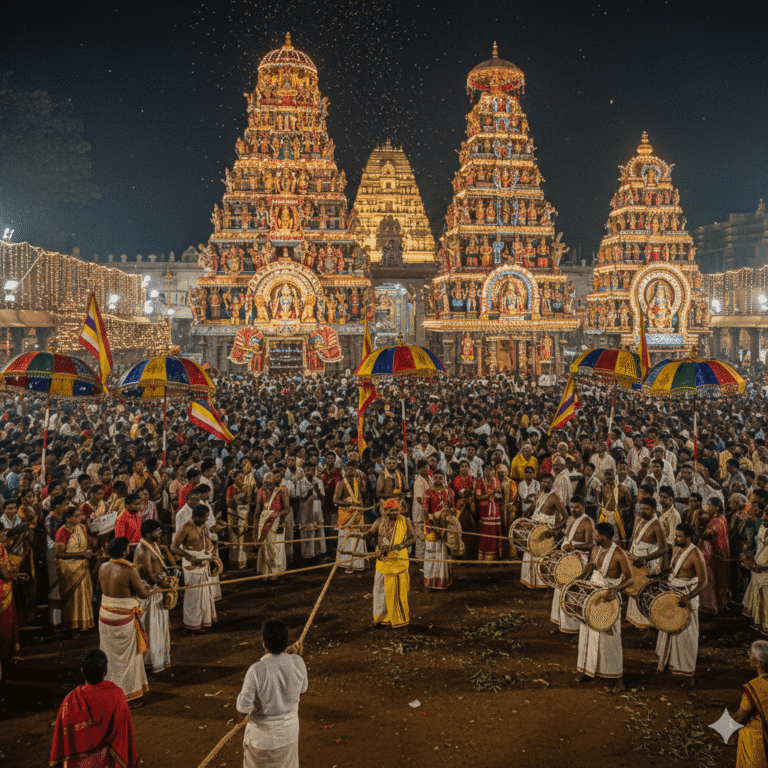
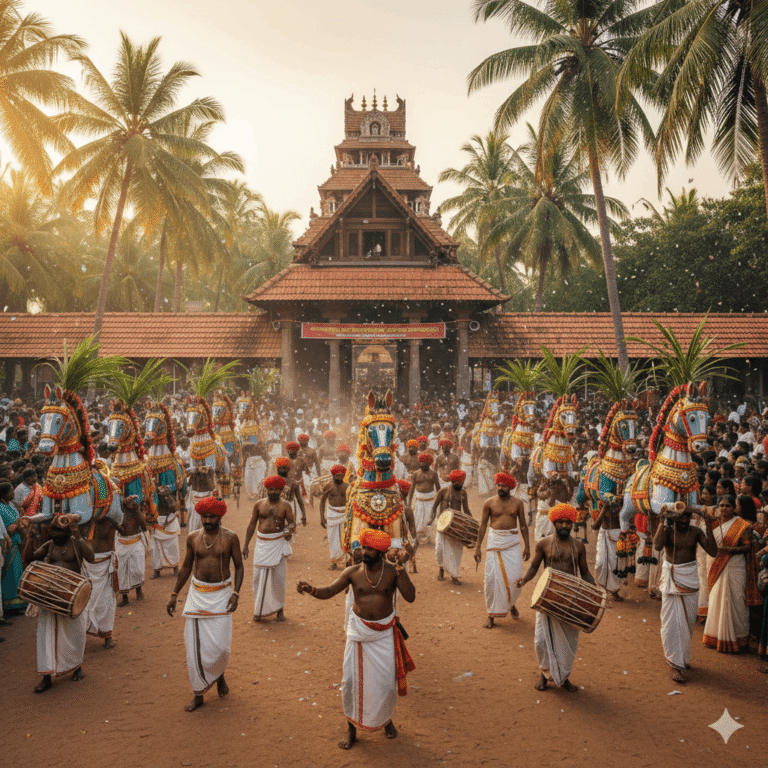
Across the south, temple calendars often include days when a deity rides a horse mount. This is where temple horse festivals Tamil Nadu fits in. The horse is not only decorative. It signals movement, authority, protection, and a public presence of the deity outside the sanctum.
3) Horse effigy parades and folk processions
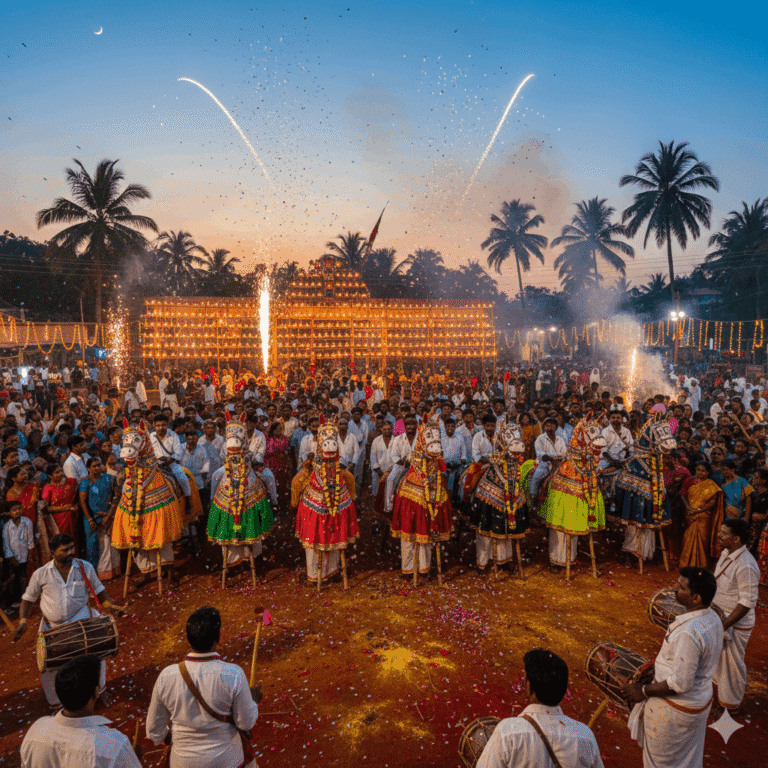
In several Kerala events, decorated horse effigies are carried or displayed as offerings. Machattu Mamangam is well known for kuthirakolams, which are horse-shaped structures made for procession. This is a classic example of folk festivals involving horses India that combine temple devotion, artisan skill, and community participation.
4) “Kuthira” festival structures in Kerala
In Kerala, the word kuthira can name a towering festival structure even when it is not a life-like horse. Chettikulangara Kumbha Bharani is famous for Kettukazhcha, which includes multiple floats, including large kuthira structures said to be around 80–85 feet tall, presented alongside other iconic floats. This is one reason the search term “horse festival” can confuse first-time readers. The horse is present in name and symbolism, while the form can be highly stylized.
A single page that explains these four types early tends to rank better, because it matches mixed search intent and reduces bounce.
Why horses became so meaningful in South India
To understand ancient horse rituals South India and later ceremonial forms, it helps to start with the reality of horses as high-value animals. Horses were expensive to acquire and maintain in many parts of India, especially in humid regions where breeding and long-term care could be difficult. In the medieval period, quality war horses were also deeply tied to power. When a state could field a strong cavalry, it gained mobility, shock force, and prestige.
This is where Indian cavalry history South India connects to ritual life. Military and royal culture shaped public imagery. Over time, what began as a real instrument of state power also became a cultural sign for authority, movement, and protection.
Trade, cavalry, and prestige
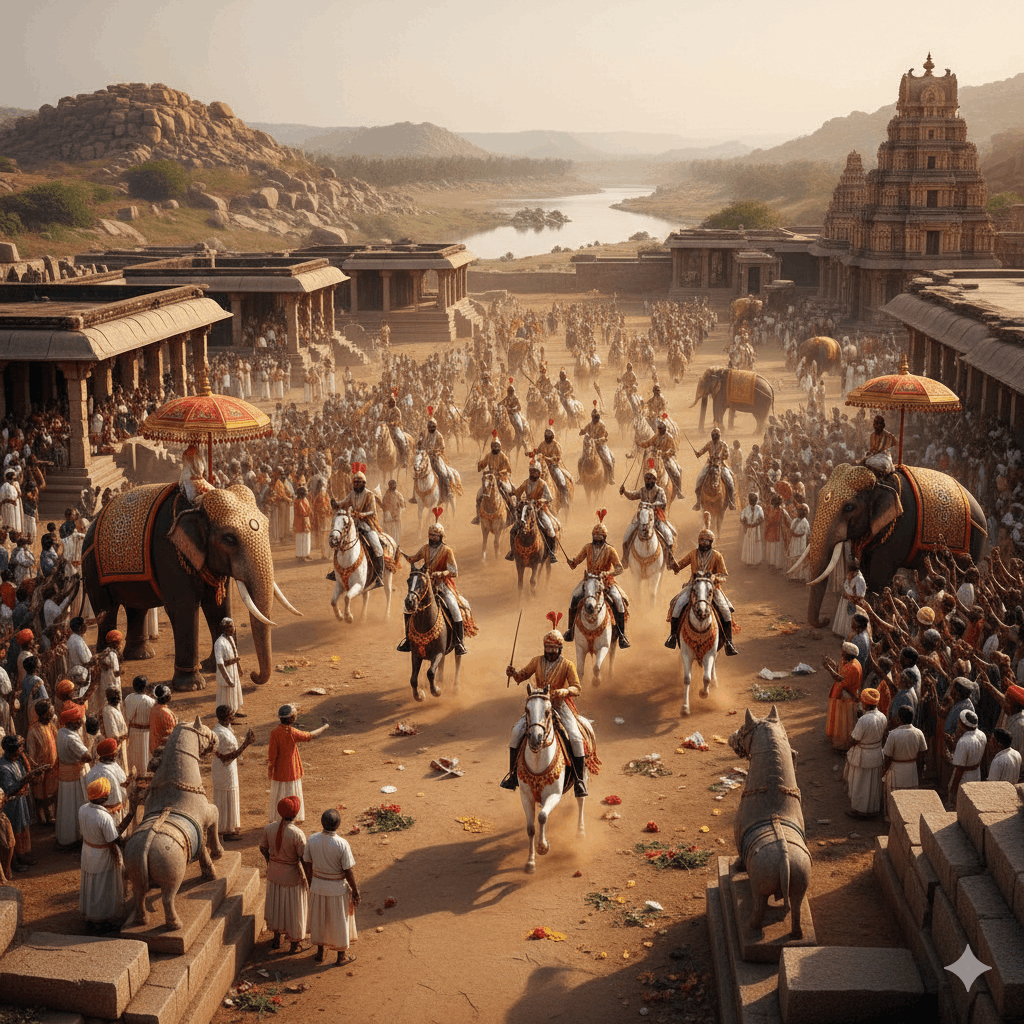
Horses moved through trade networks linking West Asia, the Arabian Sea, and coastal South India. Imported horses were prized for cavalry and status. This trade reality shaped medieval horse culture South India, because it created a clear social message: horses meant wealth, governance, and martial capacity.
That message then traveled into temples and public ceremonies. Royal support for temples was common across many dynasties. When kings and local chiefs made gifts, sponsored festivals, or built temple infrastructure, their symbols and preferences could influence temple spectacle. That influence did not need to be written as a formal rule. It could show up through mounts, processional imagery, and the kinds of public displays a community came to admire.
Ancient roots and early ritual themes
People searching horse worship traditions India often imagine a single, uniform tradition of “worshipping horses.” South India is not that simple. The stronger pattern is symbolic use: horses appear as mounts of deities, as visual metaphors for power and speed, and as ritual objects tied to vows and community offerings.
A useful way to think about sacred horses in South Indian temples is to treat “sacred” as a role, not a species label. A horse becomes sacred when it is part of a ritual contract: a vow, a festival duty, a processional route, or a temple story.
The horse as a ritual sign
Across South Indian religious life, the horse can signal:
- Movement from the inner shrine to the public world
- Protection of the boundary between sacred space and everyday space
- Royal authority, often linked to temple patronage
- Speed and urgency, especially in festival processions
- A warrior identity when connected to local legends
This fits naturally into horse symbolism in South Indian culture. The horse is not only admired. It is used as a language.
How “ancient horse rituals South India” survived into community practice
Many ancient patterns in South India are remembered and repeated through festival actions rather than written explanations. People learn what to do by watching elders, joining processions, building structures, and serving temple roles. That is why historical equestrian practices India can still show up today without being called “ancient” in everyday speech.
Medieval horse culture in the South: kings, courts, and public display
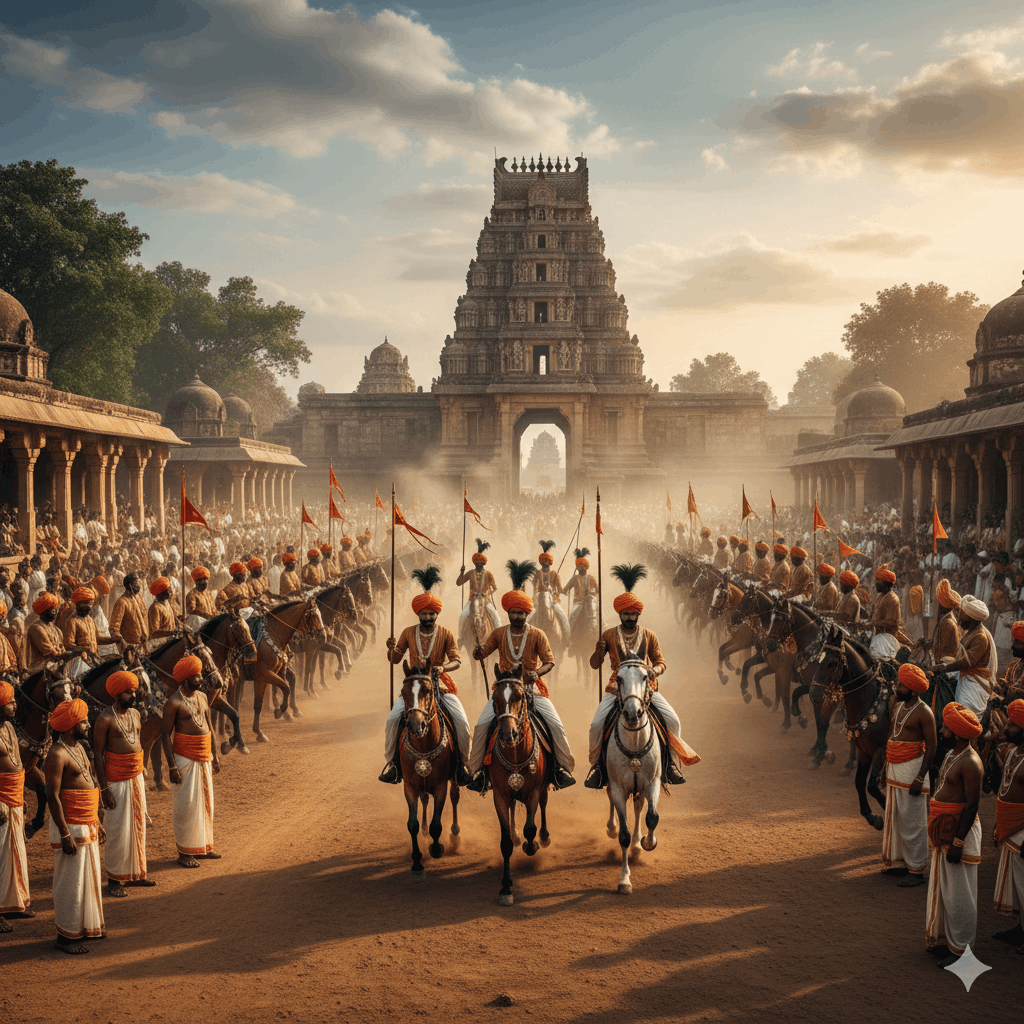
The medieval period matters for this topic because it shaped how horses were seen in public life. When horses were closely associated with warfare and ruling power, the image of a horse naturally became a royal sign.
Royal horse processions as state theatre
Royal horse processions South India were not simply travel. They were public statements. A procession displayed order: attendants, banners, musicians, and the presence of authority moving through space. Even when a modern festival is not “royal,” it can inherit the same visual grammar: a route, a crowd, percussion, and a central figure that represents power.
This is one reason dynastic horse ceremonies South India belong in a historical outline. The dynastic past shaped expectations about what a grand public event should look like.
Ceremonial horses and status
Ceremonial horses in South India are not limited to kings. In festival contexts, a horse may appear with:
- Priests and temple staff leading the way
- Musicians marking rhythm and urgency
- Community volunteers managing crowd movement
- A ritual object that becomes the day’s focus
The details vary by district and temple tradition, yet the basic social logic is familiar: the horse represents a force people respect, not a casual decoration.
Kerala’s horse race tradition: Tattamangalam Kuthira Vela
Among equestrian festivals South India, Kerala’s Tattamangalam Kuthira Vela stands out because it is clearly a race-based event. It is also one of the easiest examples to describe for first-time readers, since the horse is literal and visible.
What happens at the event
A typical visitor experience includes:
- A packed roadside route with spectators arriving early
- A race format that becomes the day’s main attraction
- A local atmosphere where families treat it as a major annual moment
- Strong town identity, with pride in continuity
Kerala tourism descriptions often mention that the event has continued for over a century and still draws thousands. That scale matters for content, because it signals that this is not a minor local pastime. It is a community-scale ritual of excitement and identity, even for people who do not frame it as “religion.”
Why a race became a cultural landmark
A race can become ritualized when it repeats each year with expected roles and collective memory. Over time, the community treats the event as part of its calendar identity. The horse becomes a symbol of vigor, skill, and public celebration, fitting neatly into South Indian horse traditions even though it is not a temple procession in the strict sense.
Kerala’s horse-effigy processions: kuthirakolams and folk offerings
Race events show the horse directly. Folk processions often show the horse through form and art. This is where traditional equine heritage South India appears as craft and public devotion.
Machattu Mamangam and the kuthirakolam tradition
Machattu Mamangam is frequently described as a multi-day festival in Kerala where decorated horse effigies, called kuthirakolams, play a central role. These structures are not only props. They are offerings and public statements of devotion, often made by community groups who invest time, money, and craftsmanship into building something that represents their devotion.
What a kuthirakolam can represent
A kuthirakolam can carry layered meaning:
- A vow fulfilled
- A gift to the deity
- A sign of community unity
- A cultural marker showing local artistry
This is a strong match for folk festivals involving horses India, because the “horse” is created, carried, displayed, and remembered as a shared work.
Why this form is easy to misunderstand online
Many people search “horse festival” expecting a race or live horses. When they see effigies, they think it is unrelated. Your article should explain that in South India, the horse is also a symbolic form, not only an animal presence. That single clarification tends to improve reader satisfaction and time on page.
Chettikulangara Kumbha Bharani and the “kuthira” structures
Chettikulangara Kumbha Bharani is one of the best-known examples where the word kuthira appears in a way that surprises outsiders. The festival is associated with the Chettikulangara Devi Temple and is famous for Kettukazhcha, a major presentation of large decorated structures.
Kerala tourism descriptions commonly mention that Kettukazhcha includes 13 floats, with six large kuthira structures around 80–85 feet tall. People come specifically to see scale, spectacle, and the disciplined procession.
What Kettukazhcha looks like on the ground
The most practical way to describe it is to focus on what a visitor witnesses:
- Large festival structures arriving in sequence
- Percussion and crowd energy rising as the procession nears the temple
- A sense of friendly competition between groups presenting their floats
- The temple space acting as the stage where everything culminates
This is a clean example of ritual horse parades South India where the “horse” is part of a ceremonial display, even when the structure is stylized.
Why it belongs in “horse festivals South India history”
Some readers will ask, “If it’s a float, why call it a horse festival?” The answer is that in Kerala’s culture, the term kuthira can function as a ritual category. It signals a certain type of display and processional heritage. Treat it as a language-and-culture feature, not a zoological label.
Temple horse festivals in Tamil Nadu: the horse-mount tradition
Temple horse festivals Tamil Nadu is a common long-tail phrase because Tamil Nadu has many large temple calendars, and visitors frequently see deities mounted on different vehicles across festival cycles.
The horse as a mount in public ritual
In many temples, the deity is carried in procession on a chosen mount on specific days. The horse mount often suggests movement, protection, and public presence. It can also carry royal echoes, since horses have long been linked to authority in South Indian imagination.
A widely reported example is the Chithirai festival season in Madurai, where a major ritual moment features the deity mounted on a golden horse and the event draws crowds described in the lakhs. Even if your page is not a travel guide, this type of detail anchors the idea that horse imagery remains central in large living traditions, not only in historical memory.
What visitors should understand
A horse mount procession is not “horse worship.” It is ritual movement using a symbolic vehicle. The festival focuses on the deity, while the mount communicates a theme.
This distinction helps your content sound educated and respectful, which matters for ranking and for user trust.
Horse symbolism in South Indian culture
A strong page on horse symbolism in South Indian culture should avoid forcing a single meaning. Symbolism changes by region, temple tradition, and festival type.
Common themes that repeat
Across South India, the horse can represent:
- Bravery and readiness
- Protective power
- Speed, urgency, and movement
- Royal status and command
- A guardian role on festival routes
These themes connect cleanly to royal horse processions South India and ceremonial horses in South India, even when the modern festival is organized by local communities rather than courts.
How symbolism changes by festival type
In race festivals
The horse symbolizes real skill, athletic ability, and public excitement. The meaning stays close to the animal itself.
In effigy processions
The horse becomes a crafted symbol. The focus shifts toward vow, artistry, and community devotion.
In horse-mount temple processions
The horse becomes a vehicle for the deity’s public presence. The meaning is protective and authoritative.
In Kerala kuthira structures
The horse becomes a ritual form category. The meaning is tied to spectacle, procession order, and tradition.
Covering these differences helps you satisfy readers who arrive from different searches, including horse festivals South India historyhorse festivals South India typed without spacing.
Traditional horse fairs in South India: what you can say without overclaiming
Traditional horse fairs South India is a tricky keyword because fairs vary widely, and some regions have prominent cattle fairs while horse fairs can be more localized or less documented. You can still cover the topic responsibly by describing what “horse fair” usually means and how it connects to historical equestrian practices India.
How horse fairs connect to culture
In many parts of India, fairs historically served multiple roles:
- Trading animals and equipment
- Demonstrating skill in riding and handling
- Building community ties through public gathering days
In South India, where temple festivals dominate public culture, fairs may appear as linked events around festival time or as separate market gatherings. If you choose to name a specific fair, verify it before publishing. If not, keep the section general and focused on how fairs fit into the broader equestrian heritage.
A simple timeline of horse-related festivals in the South
A timeline section helps readers remember the story.
Early foundations
Horses function as high-value animals linked to mobility and power. Ritual life begins to incorporate horse imagery through mounts, legends, and protective symbolism.
Medieval consolidation
Indian cavalry history South India becomes closely tied to state strength. Horses are prestige objects. Public processions and ceremonial display culture grow.
Temple festival expansion
Temples become strong public institutions that organize annual celebrations. The horse appears through mounts, icons, and festival forms that communities repeat each year.
Modern community identity
Festivals become markers of local pride. Some remain strongly religious, while others become culture-first public events. Tourism, media, and online discovery widen audiences.
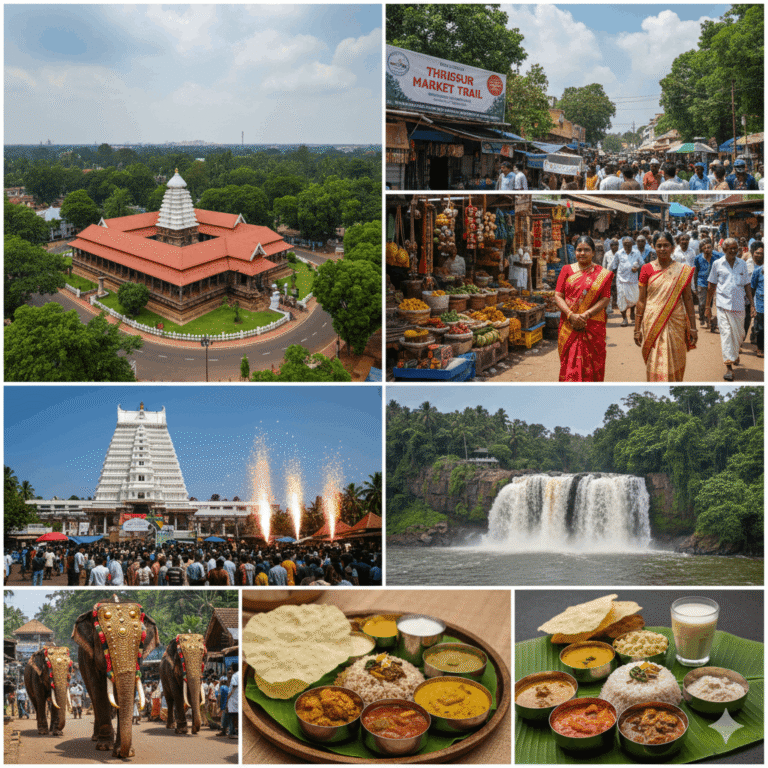
Where you can experience horse-related festivals today
This is not a full travel itinerary, yet readers often want direction. Keep this section practical and short, with clear examples.
Kerala
Kerala offers multiple types in one state:
- Tattamangalam Kuthira Vela for a race-based experience
- Machattu Mamangam for horse effigy culture
- Chettikulangara Kumbha Bharani for the large kuthira structures and Kettukazhcha spectacle
Tamil Nadu
Tamil Nadu is a strong match for temple horse festivals Tamil Nadu through horse-mount processions inside major temple festival cycles, including large seasonal celebrations such as the Chithirai period in Madurai.
Karnataka, Andhra Pradesh, Telangana
Horse imagery appears in temple processions and local festivals across these regions as well. The best approach for visitors is to follow district-level temple calendars and local announcements, because many events are rooted in local lunar calendars.
Crowd, safety, and etiquette tips
A short etiquette section makes your page feel complete and reduces negative visitor experiences.
Respect temple space and procession flow
Festival routes are not random crowds. People have roles. Give space to temple staff, musicians, and volunteers managing movement.
Photography with care
Many people welcome photography. Some moments are sensitive. A good rule is to avoid close-up shots of rituals unless the atmosphere clearly permits it, and follow any temple instructions.
Safety around animals and large structures
In race events, stay behind established crowd lines. In float processions, keep distance from moving structures and drumming groups, especially at narrow points.
Why this topic ranks well when written clearly
Search engines reward pages that match intent. This niche performs best when your page:
- Defines horse festivals South India without confusion
- Explains why “horse” can mean an animal, a mount, an effigy, or a named festival structure
- Connects Indian cavalry history South India to modern festival imagery
- Uses real examples from Kerala and Tamil Nadu that readers can picture
- Answers common questions directly near the end
Final thoughts
Horse-related cultural festivals South India are not one tradition. They are a family of traditions shaped by trade routes, royal display, temple calendars, and community craftsmanship. Once you see the four forms side by side, the search term horse festivals South India history starts to make sense. It becomes a story of how a powerful animal turned into a lasting symbol, and how that symbol still moves through streets, temples, and town routes today.