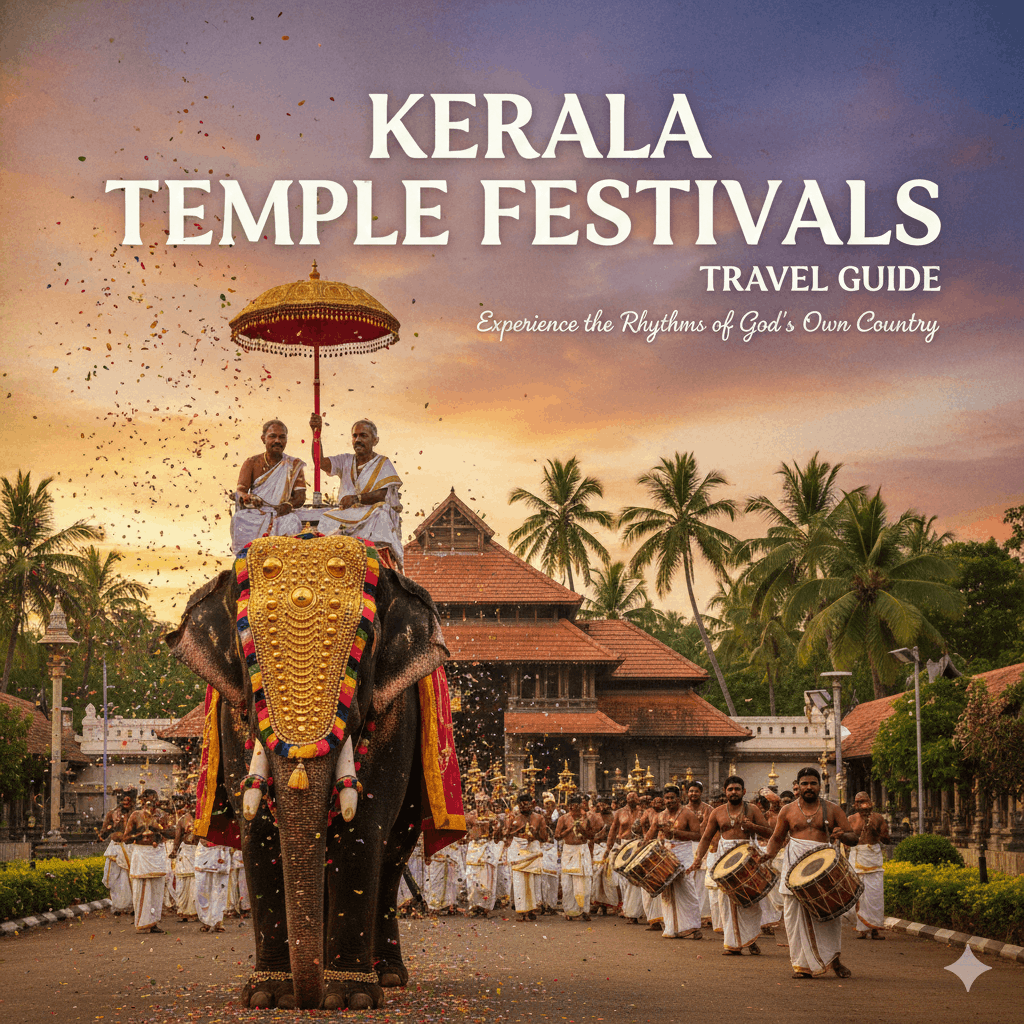
Kerala Temple Festivals Travel Guide: Best Places to Experience the Real Kerala
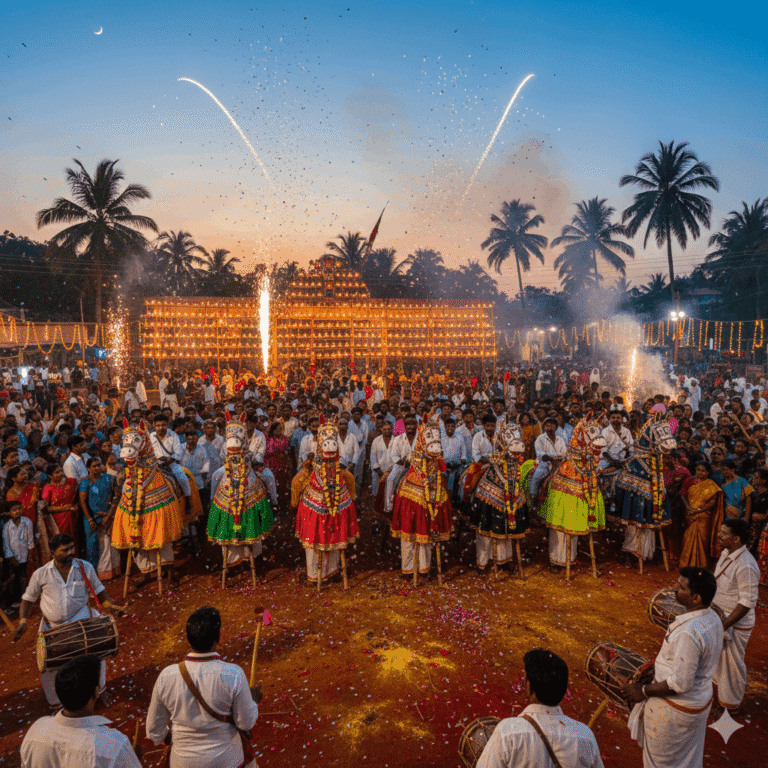
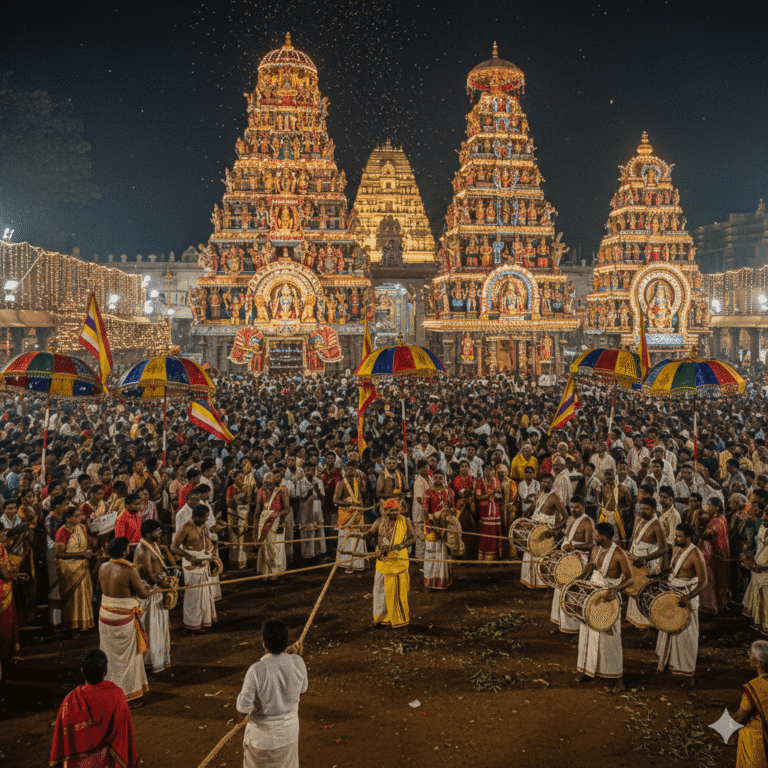
Kerala temple festivals are not quiet sightseeing stops. They feel like living cities built for a day, powered by drums, lamps, processions, and a kind of focus that makes even first-time visitors pause. People travel for these events for many reasons: faith, culture, photography, music, traditional arts, family trips, and simple curiosity.
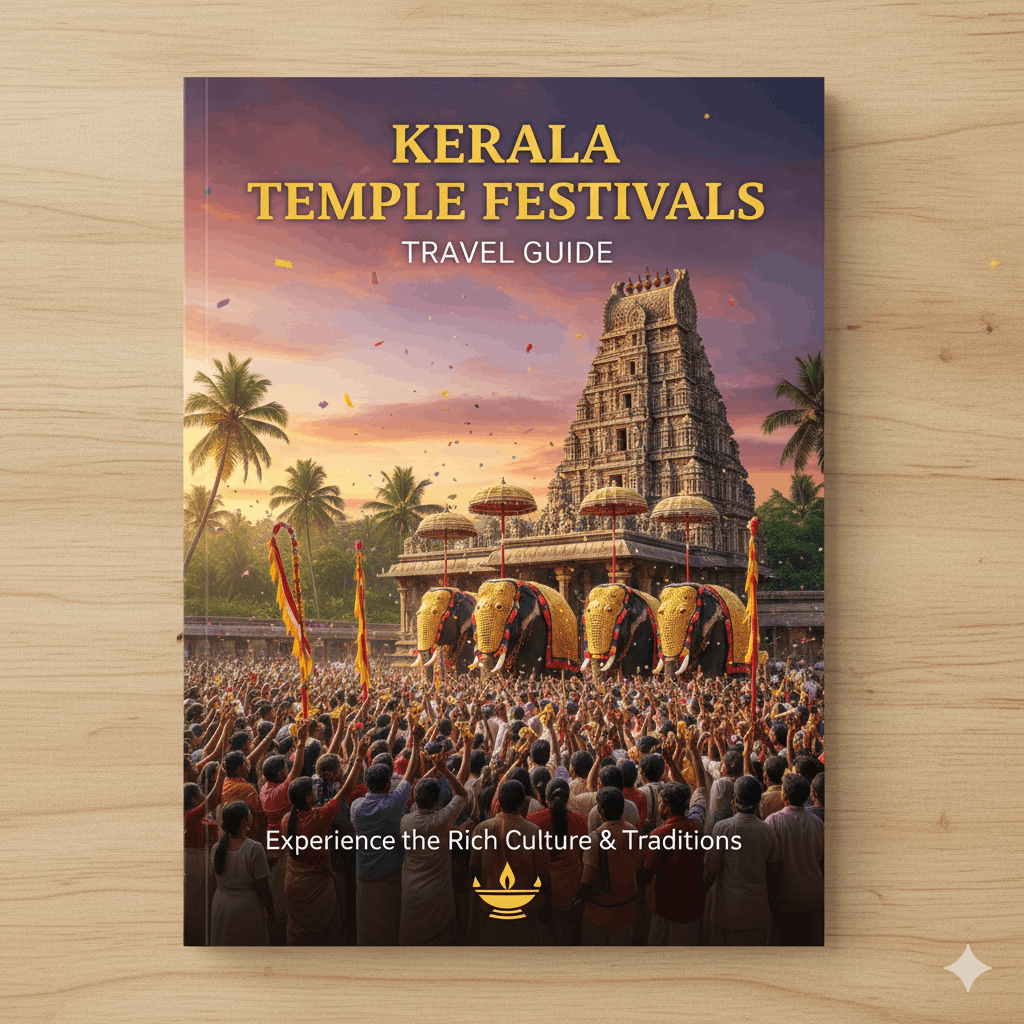
This Kerala temple festivals travel guide is written for travelers who want clear planning advice, real expectations, and place-based recommendations. You will get a Kerala festival travel guide approach that works for short visits and longer circuits. You will learn how Kerala temple festival dates work, how to read a Kerala temple events calendar without confusion, and how to build a Kerala temple festival itinerary that fits your time and comfort level.
A quick reality check helps at the start. Some of the biggest Kerala temple celebrations draw huge crowds. That scale is part of the attraction. Kerala Tourism’s 2023 highlights report recorded 21,871,641 domestic tourist visits and 649,057 foreign tourist visits. Many travelers come for beaches and backwaters. Festival travel is rising too, since temple festival tourism Kerala offers something that cannot be replicated in a studio or a staged show.
Kerala temple festivals at a glance
Temple festivals in Kerala sit at the meeting point of ritual and public celebration. The temple remains the spiritual center, yet the festival spills into streets, grounds, and viewing corridors. The crowd becomes part of the energy. Drums set the pulse. Lamps and flags shape the visual mood. Elephants, floats, and ritual performance traditions appear in many regions, with each district carrying its own style.
You will see different labels online: Kerala religious festivals, Kerala cultural festivals, Kerala heritage festivals, Kerala ritual festivals. They overlap. A single event can be all of them at once. For travelers, the practical angle matters most: what you will see, where to stand, when to arrive, and how to respect the space.
This guide focuses on major temple festivals Kerala visitors can plan around, plus a few quieter stops that suit travelers who prefer less crowd density.
Choosing the right festival style for your trip
Not every traveler wants the same kind of day. Picking the right festival type keeps the trip enjoyable.
Big spectacle with processions and orchestra
These are the famous Kerala temple festivals that fill a wide area and run at high intensity. They often feature elephant lines, umbrella exchanges, and large percussion ensembles. Thrissur district is the classic starting point.
Devi temple celebrations with vow-based participation
These festivals can feel intensely personal even inside large crowds. Many visitors come to watch devotion in motion, not only pageantry. Thiruvananthapuram has a well-known example.
Ritual performance seasons in North Kerala
Theyyam-centered travel has its own rhythm. It is less “one single day” and more a seasonal pattern. The viewing experience can be close and powerful, with strict respect expected.
Heritage-first festivals for culture lovers
Some travelers want older traditions and multi-temple gatherings. These feel like history moving through a living community.
Best temple festivals to visit in Kerala by region
This section is the heart of the Kerala temple festivals travel guide. It is built as a place-based map you can follow.
Thrissur: the classic entry point for procession festivals
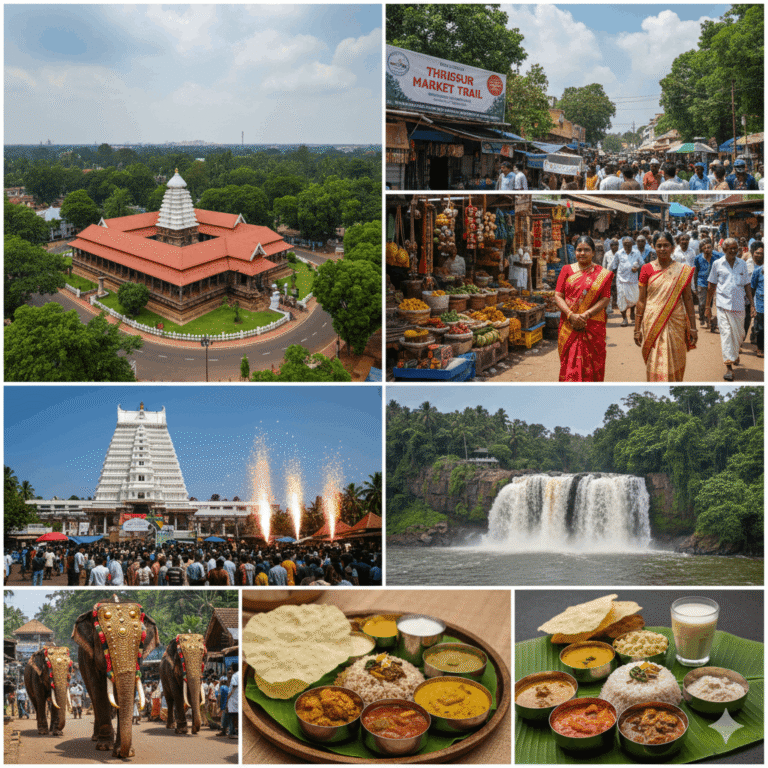
Thrissur is often treated as the headline destination for Kerala temple procession festivals. The city’s festival identity is strong, and the transport links make it easier for first-time visitors.
Thrissur Pooram: music, umbrellas, and crowd energy
Thrissur Pooram is widely known for mass participation, elephant lines, and orchestra-scale percussion. Kerala Tourism’s event page notes that around 250 artists participate in the traditional orchestra. That number helps explain the sound. The performance does not feel like background music. It feels like the ground has a heartbeat.
What to watch for as a visitor
- The build-up hours matter. The day changes shape as groups arrive and formations settle.
- The main viewing zones become tight during peak moments. Standing slightly off the densest center often gives a better experience and safer exits.
- Many visitors focus on the umbrella exchange moments, yet the percussion sequences are the part that stays in memory.
Travel note for festival season
Thrissur Pooram timing sits in a seasonal window that often falls around April to May, tied to the Malayalam calendar. Exact dates shift yearly, so plan around the season rather than a fixed number.
Arattupuzha Pooram: heritage depth and multi-deity gathering
Arattupuzha Pooram is often described as one of Kerala’s oldest Pooram traditions. Kerala Tourism describes a ritual of bringing 23 deities from various temples in Thrissur to the Sree Sastha Temple. That detail matters for travelers who want a festival that feels like a gathering of sacred presences, not only a display.
Why it fits culture-focused travel
- The multi-temple aspect adds meaning to the procession.
- The mood can feel devotional and ceremonial, not only celebratory.
- The event connects well with Kerala heritage festivals storytelling since it carries layered local memory.
Alappuzha and nearby: festival craftsmanship and towering structures
Alappuzha district travel often brings people for backwaters. Festival travelers come for scale and craftsmanship.
Chettikulangara Kumbha Bharani: Kettukazhcha and community-built spectacle
Chettikulangara Kumbha Bharani is one of the most photographed Kerala temple celebrations for a reason. The Chettikulangara Kettukazhcha display includes towering structures that change how you think about “float” culture. The festival is tied to the Malayalam month Kumbham and the Bharani nakshatra, so it is often discussed as a Bharani nakshatra festival too.
What makes it a must-see
- The Kettukazhcha procession is centered on massive crafted structures that dominate the skyline.
- Night viewing shifts the mood. Lights and sound turn the ground into a moving theatre.
- Community participation is visible in every detail, from the build quality to the carrying teams.
Planning tips that make the day easier
Arrive early and pick a viewing edge with space. Keep a meeting point for your group. Carry water. Avoid pushing into the tightest center during peak movement.
This festival works well for travelers who want a signature memory from temple festival tourism Kerala without needing long-distance travel across the state.
Thiruvananthapuram: women-led festival scale and vow traditions
South Kerala has many Kerala religious festivals tied to Devi temples, with strong community participation.
Attukal Pongala: the world-record women’s gathering
Attukal Pongala is widely known as a women-led ritual day where cooking offerings fill streets across the city. Guinness World Records lists a record of 2.5 million women for the largest annual gathering of women, achieved in 2009 at an event organized by Attukal Bhagavathy Temple Trust.
This is not only about numbers. It changes how the city feels. Streets become cooking spaces. Smoke and fragrance shape the air. The ritual creates a community atmosphere that is hard to explain until you stand near it.
Visitor etiquette matters here
- Keep photography respectful and avoid close shots without consent.
- Expect slow movement and long waits near key zones.
- Plan transport with extra time since road closures and crowd lanes can shift your route.
For travelers building a Kerala spiritual travel guide style itinerary, Attukal Pongala offers a rare window into vow-based devotion on a massive public scale.
North Kerala: ritual performance seasons and Theyyam travel
North Kerala is central for travelers looking for Kerala ritual festivals that feel raw and close.
Theyyam-focused travel in Kannur and Kasaragod belts
Theyyam is often described as a ritual performance tradition with strong local roots. Travelers come for the visual force: layered costumes, firelight, drum rhythms, and intense presence. The season pattern matters. Many Theyyam events cluster across cooler months, with temple grounds and sacred groves hosting performances.
How to approach Theyyam travel respectfully
- Treat it as ritual space, not a stage show.
- Keep distance when asked by local organizers.
- Avoid blocking the performer’s path.
- Dress modestly and keep behavior calm near the ritual zone.
This region fits travelers who want Kerala heritage festivals energy and Kerala traditional arts festivals textures in one trip.
Kerala temple festival dates and Kerala festival season travel planning
Kerala temple festival dates confuse many visitors because the schedule is not built around a fixed Gregorian calendar. The timing often follows Malayalam months, star days, and local temple calendars.
How a Kerala temple events calendar works in real life
A Kerala temple events calendar often lists:
- Malayalam month reference
- Star day reference in some cases
- Local temple announcement patterns
For travelers, the most useful method is seasonal planning:
- Pick the district you want
- Choose a broad month window
- Confirm exact dates close to travel time
Kerala Tourism’s statistics report for 2024 notes domestic tourist visits at 22,246,989, up 1.72 percent from 2023, showing sustained travel demand. That demand means peak festival days can be crowded beyond expectation, so early planning helps.
Seasonal guide that stays practical
This is a travel-first view of Kerala festival season travel. Exact dates shift.
January to March
- Many Devi festivals and vow-based events appear in different districts.
- North Kerala ritual performance travel often fits this window.
April to May
- Procession-heavy Pooram season becomes prominent in central Kerala.
- Thrissur and nearby districts often become the focus for major temple festivals Kerala travelers target.
June to September
- Monsoon travel can be beautiful, yet outdoor festival comfort can change. Some events continue, yet travel plans need extra buffer for weather.
October to December
- Many travelers pick this window for Kerala pilgrimage tourism and cultural routes since the climate can feel easier for long temple days. North Kerala ritual performance travel often stays strong too.
Kerala temple festival travel tips that visitors wish they knew earlier
Kerala temple festival travel tips are not only about transport. Small choices shape your whole day.
Arrive earlier than you think you need
Many festival grounds feel calm early, then shift fast. Early arrival helps you understand routes and choose a viewing zone with easier exits.
Keep a simple safety plan
Crowds can be dense. Families should set a meeting point. Keep phone battery high. Carry a small power bank. Keep kids close during peak movement.
Dress for temple space and heat
Modest clothing is the safest choice across Kerala religious festivals. Light cotton works well. Carry a small towel or cloth.
Respect procession routes
Never block a ritual corridor. Stand to the side. Let carrying teams pass cleanly. This rule matters in every temple festival tourism Kerala setting.
Photography: aim for respect, not risk
Use no flash near ritual participants. Avoid stepping into the path for an angle. Ask permission for close portraits.
Staying near the festival zone vs outside
Staying close saves time and stress, yet it can be loud late into the night. Staying outside the zone gives calm sleep, yet return travel after peak hours can be slow. Pick based on your comfort.
Kerala temple festival itinerary ideas
A Kerala temple festival itinerary works best when it mixes one big day with rest. Festival travel can drain energy fast.
3-day Kerala festival travel guide plan
Day 1: Reach the main city base, visit a temple in calm hours, scout festival ground routes.
Day 2: Main festival day with early arrival and planned viewing.
Day 3: Slow cultural day with food, local craft stops, and short temple visits.
This plan suits travelers who want best temple festivals to visit in Kerala without rushing across districts.
5-day major festival circuit in central Kerala
Day 1: Thrissur base and calm temple visits.
Day 2: Thrissur Pooram-style procession day when your travel window matches the season.
Day 3: Heritage day in nearby temple towns and cultural streets.
Day 4: Move toward Alappuzha side for craftsmanship-heavy festival viewing when dates match.
Day 5: Backwater rest or a calmer temple morning.
7-day Kerala cultural tourism guide style route
Split the week into three zones:
- South for Devi temple celebrations and vow traditions
- Central for procession festivals
- North for ritual performance seasons
This route fits travelers who want Kerala cultural festivals variety with real place context.
Kerala pilgrimage tourism and religious tourism guide angle
Many travelers come to Kerala for faith-based travel, not only festival spectacle. Kerala pilgrimage tourism routes can include festival days as peak experiences inside a calmer temple circuit.
Building a calm spiritual travel plan
Pick a base city, then choose early morning temple visits for calm. Add one major festival day as a peak point. Keep one rest day after that peak.
Why this method works
Festival days can include long standing, heat, loud percussion, and late-night crowd movement. A rest day protects the travel experience and helps you enjoy the next temple visit with a clear mind.
Annual temple festivals Kerala travelers can plan for every year
Some events become annual anchors in travel planning, even when exact dates shift:
- Thrissur region processions and orchestra-focused Pooram culture
- Arattupuzha multi-deity gathering tradition
- Attukal Pongala women-led ritual scale
- Chettikulangara-style craftsmanship festivals in Alappuzha belt
If your goal is to build a reliable Kerala temple events calendar for your website, create a yearly update post that refreshes the dates and travel alerts. Keep the main evergreen guide stable, then link to the yearly update page.
Conclusion
A good Kerala temple festivals travel guide does two jobs at once: it helps travelers choose the best places, and it prepares them for the reality of festival movement. Kerala temple festivals can be joyful, intense, loud, and deeply devotional. The best experience comes from early planning, respectful behavior, and a route that matches your travel style.
For first-time visitors, one major procession festival in central Kerala plus one Devi-centered event in the south creates a balanced view of Kerala religious festivals. Travelers with extra days can add North Kerala ritual performance travel for a deeper look at Kerala heritage festivals and traditional arts.