Kuthira Maliga Palace Museum: Grand Royal Heritage Guide
1. Kuthira Maliga Palace Museum and Its History
The kuthira maliga palace museum is a famous royal site in Thiruvananthapuram, Kerala. It is also called Kuthiramalika and Puthen Malika. The palace stands near the famous Padmanabhaswamy Temple in the East Fort area.
The palace was built during the rule of Maharaja Swathi Thirunal. He ruled the Travancore kingdom from 1829 to 1847. He was also known for his love of music, art, and culture.
| Fact | Information |
| Name | Kuthiramalika Palace |
| Other Name | Puthen Malika |
| Location | Thiruvananthapuram, Kerala |
| Main Link | Travancore Royal Family |
| Style | Traditional Kerala style |
| Museum | Palace museum |
| Famous For | Wooden horse carvings |
| Nearby Site | Padmanabhaswamy Temple |
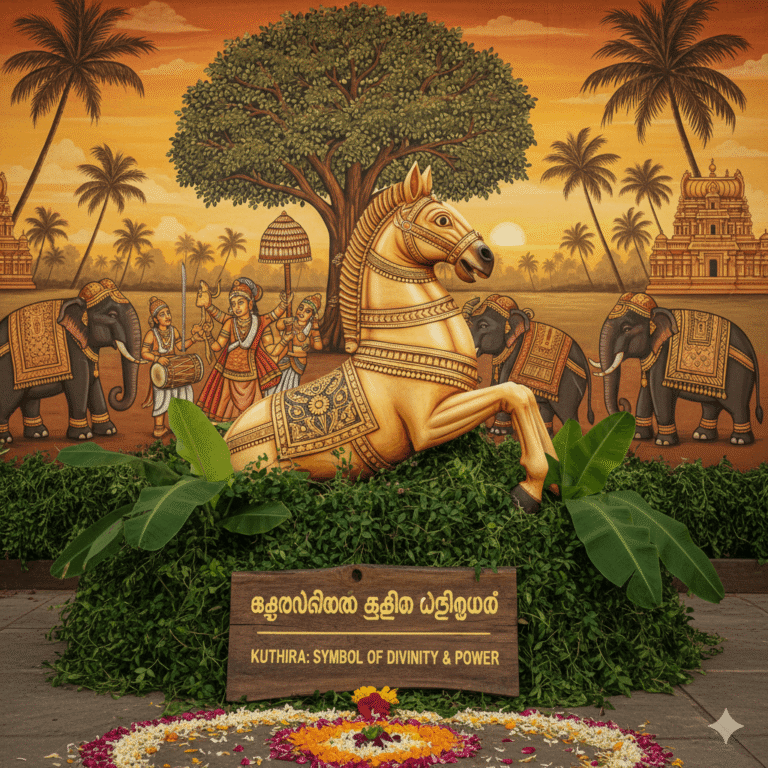
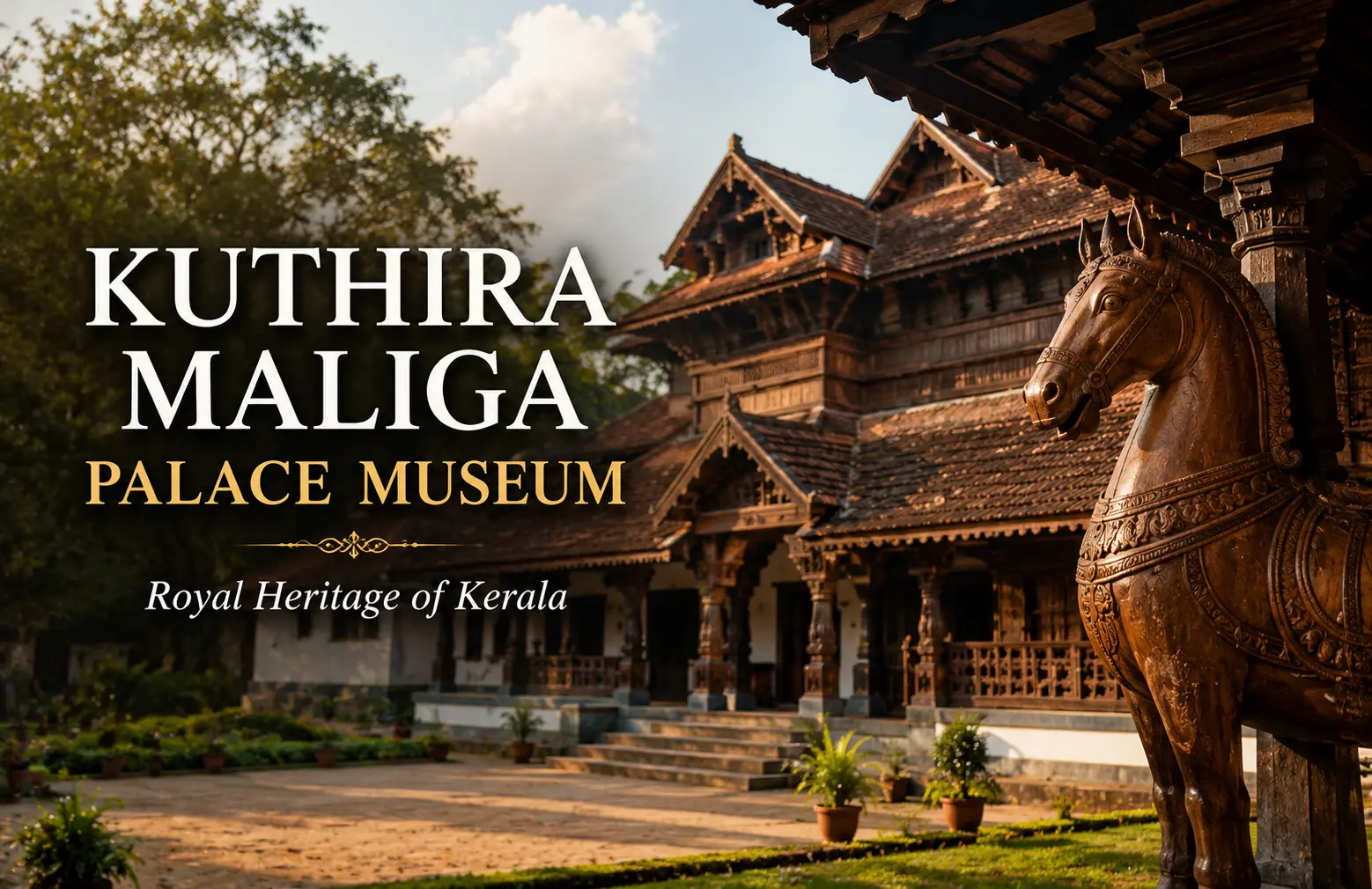
The name Kuthiramalika means Palace of Horses. The name comes from the many horse-shaped wooden carvings found around the palace. These carvings are one of the first things many visitors notice.
The palace also shows the skill of old Kerala craftsmen. Wood was used in many parts of the building. The design includes sloping roofs, large halls, verandas, and fine wooden work.
Part of the palace is now open as a museum. The museum holds objects linked with the Travancore royal family. These objects give visitors a view of royal life in an earlier time.
The palace is not only a tourist spot. It is also a place tied to Kerala music and art. Its courtyard hosts the Swathi Sangeethotsavam music festival each year.
For history fans, the site offers much to see. For art fans, the wood work is a major draw. For visitors to Thiruvananthapuram, it can be a calm and rich stop.
2. Kuthira Maliga Palace Museum Architecture
The architecture of the kuthira maliga palace museum is one of its biggest attractions. The palace uses many parts of the old Kerala building style. It has sloping roofs, wooden pillars, open verandas, and inner courtyards.
The wooden work is very fine. Each room has its own patterns and shapes. The walls, ceilings, doors, and other parts show the skill of local workers.
The palace also has signs of outside art styles. Some pillars show forms linked with European design. This mix gives the palace a special character.
Visitors can see carved wood in many areas. The work is not only for beauty. It also forms part of the building itself. This makes the palace useful for people who enjoy old building methods.
The horse carvings are especially famous. They sit around the roof area and give the palace its name. Sources commonly describe 122 horse figures around the building.
The palace was made with materials such as wood, stone, and marble. These materials helped create a strong and grand royal home. The design also helps the building fit the warm climate of Kerala.
A visit can feel different from a normal museum trip. You are walking through an old palace, not just a modern display hall. The building itself is part of the history.
Visitors should take time to notice small parts. A carved ceiling may tell as much as a large display. A wooden door may show skills that are hard to find today.
3. Kuthira Maliga Palace Museum and Swathi Thirunal
The kuthira maliga palace museum has a close link with Maharaja Swathi Thirunal. He was a ruler of Travancore and a major patron of music. His name remains strongly tied to South Indian classical music.
Swathi Thirunal was also interested in art and literature. The palace was more than a royal home for him. It was also linked with music, reading, thought, and creative work.
The palace included rooms used for different purposes. Sources describe areas linked with meetings, reading, music, and private use. These spaces help show how the palace worked as a royal residence.
Swathi Thirunal died in 1846 at a young age. After his death, the palace stayed unused for a long period. It was later brought back into public use as a museum.
The museum keeps many objects tied to the royal family. Some items show daily royal life. Others show links with art, trade, gifts, and court culture.
The palace also keeps the memory of Swathi Thirunal alive through music. The annual Swathi Sangeethotsavam is held in the palace courtyard. The festival honors his musical work and legacy.
This link makes the palace special for music fans. It is not just a place filled with old objects. It is also part of a living music tradition.
A visit can help connect history with culture. You can see royal objects and old art. You can also think about the role of music in the Travancore court.
4. Kuthira Maliga Palace Museum Royal Collection
The royal collection inside the kuthira maliga palace museum is varied. It includes objects from the Travancore royal family. Many pieces also show contact between Travancore and other parts of India and the world.
The collection includes mirrors from Belgium and Italy. It also has crystal chandeliers, paintings, weapons, musical tools, and old furniture. These objects show the tastes and interests of the royal household.
Some items came as gifts from rulers and visitors. Sources mention objects linked with places such as China, Japan, Germany, and Belgium. Such items show that the royal court had links beyond Kerala.
The museum also has Kathakali figures. These life-size figures help visitors see the colors and forms linked with Kerala’s famous dance tradition.
The collection is not limited to art. There are also objects linked with royal life. These include cradles, furniture, weapons, and other items.
The royal thrones are among the most famous objects. One throne is made from ivory, while another is made from Bohemian crystal. The Travancore conch symbol appears on the crystal throne.
These objects can help visitors picture royal ceremonies. They also show the wealth and craft of the old court. At the same time, they remind us of the social world of the royal family.
A museum guide can add useful context during a visit. The guide can point out objects that may be easy to miss. This can make the visit more meaningful.
5. Kuthira Maliga Palace Museum Famous Exhibits
The kuthira maliga palace museum has many objects that attract visitors. Some are linked to royal life. Others show the art, trade, and culture of the period.
The Kathakali figures are easy to notice. They show the rich dress and face styles used in Kathakali. The figures also connect the palace collection with Kerala’s traditional arts.
| Exhibit | Why It Is Notable |
| Kathakali figures | Shows Kerala dance culture |
| Crystal throne | Linked with Travancore royalty |
| Ivory throne | Historic royal object |
| Belgian mirrors | Shows foreign trade links |
| Crystal chandeliers | Shows royal taste |
| Old weapons | Shows court and military history |
| Musical instruments | Links with music |
| Royal furniture | Shows palace life |
The kuthira maliga palace museum also displays old mirrors and chandeliers. These items show the use of imported goods in the royal setting. They also add to the visual appeal of the rooms.
Paintings form another part of the collection. Some works show members of the royal family. One famous portrait creates an illusion that the king’s face and shoes seem to follow the viewer.
The weapons are also worth seeing. The collection includes different types of old arms. These objects give a sense of the military side of the Travancore court.
Musical instruments add another layer to the museum. They fit well with the strong music link of Swathi Thirunal. They also show how music had a place in royal life.
The collection can be enjoyed by many types of visitors. History fans may focus on the royal objects. Art fans may spend more time on the paintings and wood work.
The best way to visit is at a calm pace. Do not rush from room to room. Take time to notice the small designs and objects around you.
6. Kuthira Maliga Palace Museum and Wooden Horses
The wooden horses are the most famous feature of the kuthira maliga palace museum. They are part of the roof structure. Their shape gave the palace its popular name.
The horse figures are not simple wall art. They form part of the building’s wooden design. This makes them an important example of the skill used in old Kerala palace work.
Many travel sources describe 122 horse figures around the palace. They are placed in the brackets that support parts of the roof.
The horses also make the building easy to recognize. A visitor can often identify the palace from these forms alone. They have become a strong symbol of the site.
Wood was very important in traditional Kerala buildings. Skilled workers used it to create both useful and beautiful parts. The palace shows how these two goals could work together.
The wooden ceilings are also worth attention. Different rooms have different patterns. This adds variety to the palace and shows careful planning.
The work can be easy to miss if you only focus on large objects. Look up at the ceiling and around the doors. Small carvings can reveal a great deal about old craft.
The horse figures also give the palace a strong visual style. They make the building different from many other royal sites. This is one reason many travelers remember the place.
For photographers, the outside design is also attractive. However, visitors should follow the museum’s current rules. Some indoor areas may have limits on photography.
7. Kuthira Maliga Palace Museum and Travancore Culture
The kuthira maliga palace museum gives visitors a view of Travancore culture. The palace connects royal life with Kerala art, music, design, and craft. It also shows how the court had links with other regions.
The Travancore royal family played a major role in the history of the region. The museum holds objects from that royal setting. These objects can help visitors picture life at court.
Kathakali figures connect the museum with local art. Musical instruments connect it with the strong music tradition of Swathi Thirunal. Furniture and household items give a more direct view of daily royal life.
The foreign objects are also useful. Belgian mirrors and other imported items show trade and cultural contact. They remind visitors that old Kerala was linked to wider networks.
The palace design itself is part of this story. Local building methods form the main base. Other design touches show that the royal court also had contact with outside styles.
The result is a place with many layers. You can study the building first. Then you can study the objects inside.
The museum also helps keep old craft in public view. Many visitors may not see such wood work in modern buildings. The palace gives these skills a lasting place.
Culture is not only found in books. It can also be seen in buildings and objects. A visit to the palace can make that idea easy to see.
This is why the museum has value beyond tourism. It brings together history, art, music, and craft. Each part helps tell a larger story about Kerala.
8. Kuthira Maliga Palace Museum Location and Travel
The kuthira maliga palace museum is in East Fort, Thiruvananthapuram, Kerala. It is near Padmanabhaswamy Temple. The museum address is listed as Fort Palace Complex, East Fort, Thiruvananthapuram.
The location makes the palace easy to add to a city trip. Visitors can plan other historic sites around the same area. This can save travel time during a short visit.
Thiruvananthapuram is connected by road, rail, and air. The museum is around two kilometers from the railway station according to the Museums of India listing. The airport is around six kilometers away.
The East Fort bus area is also close. This makes public travel a useful option. Visitors should check current routes before leaving.
The palace is close to the main temple area. This means the area can be busy at some times. Early planning can make the visit more relaxed.
The museum is best visited with enough time. The Museums of India listing gives about one to two hours as an average visit.
A guided visit can also be useful. A guide can explain the rooms and objects. This can add context that you may miss when walking alone.
Visitors should wear comfortable clothes. The palace is an old building, so the experience is different from a modern museum. Follow all site rules during the visit.
It is also wise to check current opening times before travel. Museum hours and rules can change. Current official information should always be used for final planning.
9. Kuthira Maliga Palace Museum Tickets and Timings
Before visiting the kuthira maliga palace museum, check the latest ticket rules. The Museums of India listing currently shows different entry rates for Indian visitors and foreign visitors. It also lists a concession for some students.
The same source lists the museum as open on Sunday and Tuesday through Saturday. It lists Monday as a closed day. The listed hours are 9:00 AM to 4:45 PM, with a lunch break from 12:30 PM to 2:00 PM.
Because museum schedules can change, visitors should confirm the latest hours before going. This is especially important during public holidays or special events. A quick check can prevent a wasted trip.
The ticket price can also change. The current listing gives Indian adult, Indian child, and foreign visitor rates. Other small charges may apply for items such as cameras.
| Visit Item | Current Listed Information |
| Indian adult | ₹50 |
| Indian child, age 5–12 | ₹15 |
| Foreign visitor | ₹150 |
| Camera | ₹20 |
| Footwear deposit | ₹1 |
| Lunch break | 12:30 PM–2:00 PM |
| Closed day listed | Monday |
These figures are useful for planning. Still, visitors should treat them as a guide. The museum may change prices or rules without much notice.
A visit of one to two hours can work well. This gives enough time to see the main rooms. It also leaves time for nearby attractions.
If you plan to visit during a festival, check the event schedule first. The palace courtyard hosts the Swathi Sangeethotsavam. The festival is linked with the musical legacy of Swathi Thirunal.
10. Kuthira Maliga Palace Museum and Swathi Sangeethotsavam
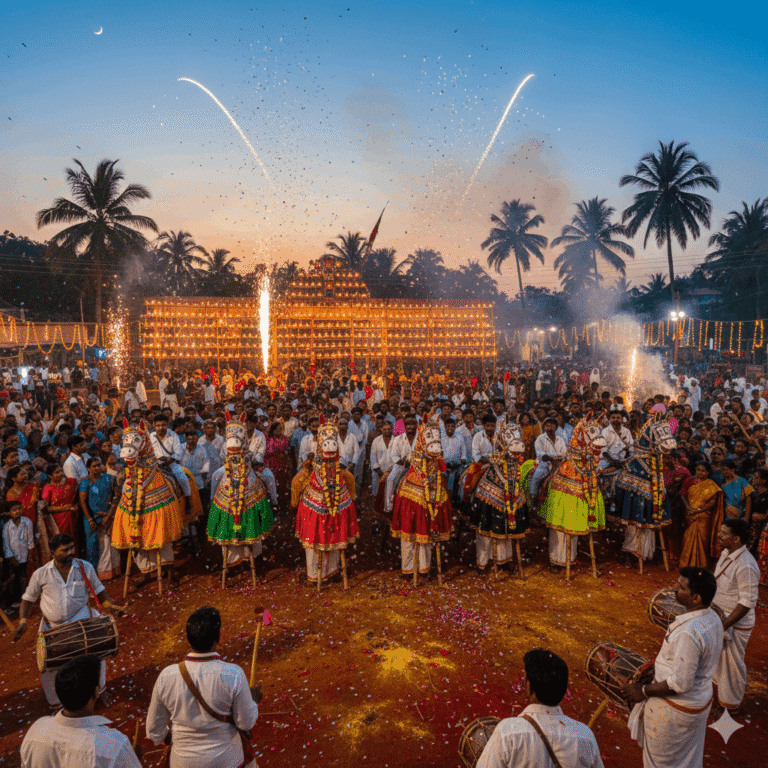
The kuthira maliga palace museum is also known for music. Its courtyard hosts the Swathi Sangeethotsavam. The festival honors the musical work of Maharaja Swathi Thirunal.
The event is held each year in January. Sources list the festival period as January 6 to 12. It attracts performers of Carnatic and Hindustani classical music.
This gives the palace a role that goes beyond museum work. The building becomes a place for live music. Old history and present art meet in the same space.
Swathi Thirunal wrote many musical works. His name remains important in South Indian music. The festival helps keep this part of his legacy active.
The palace setting adds a special feel to the event. Music takes place in a historic royal courtyard. The setting connects the sound of the present with the history of the place.
Visitors who enjoy classical music may want to plan around the festival. However, event dates and entry rules should be checked before travel. Special programs may have their own arrangements.
The festival also brings more public attention to the palace. People may visit for music and then take interest in its history. Others may come for the museum and later attend a concert.
This connection is valuable for heritage sites. A historic building stays active when people continue to use it for culture. The palace shows how a museum can also support live art.
For visitors, this makes the site more than a stop on a tour. It can become part of a wider cultural trip. Music, history, art, and architecture all meet there.
11. Kuthira Maliga Palace Museum Visiting Tips
A visit to the kuthira maliga palace museum can be simple with some planning. Start by checking the current opening time. Also check ticket prices and any special rules before you leave.
Try to arrive with enough time. Rushing through the rooms can make you miss small details. The wood work deserves slow viewing.
Photography rules should also be checked. Museums may limit photos in some rooms. Follow all signs and staff instructions.
Comfort is useful during the visit. Wear clothes that suit a warm climate. Choose footwear that is easy to manage if the site requires removal.
A guide can add value. The palace has many stories that may not be clear from the objects alone. A guide can explain the purpose of rooms and the history of displays.
Plan nearby places too. Padmanabhaswamy Temple is close to the palace. East Fort also has other sites that can fit into the same trip.
Do not touch old objects. Museum collections need careful care. Even small contact can damage old surfaces.
Give yourself time to study the outside too. The wooden horse figures are an important part of the building. The roof and carved areas are worth seeing.
Keep the visit calm and respectful. This is a historic royal site and a working museum. A careful visitor helps protect it for future guests.
12. Kuthira Maliga Palace Museum Conclusion
The kuthira maliga palace museum is one of the most interesting heritage sites in Thiruvananthapuram. It brings together royal history, Kerala architecture, wood craft, art, music, and old objects in one place. The palace was linked with Maharaja Swathi Thirunal and the Travancore royal family. Its wooden horse carvings give the building its famous name and remain one of its strongest visual features. Inside, visitors can see Kathakali figures, royal thrones, mirrors, chandeliers, paintings, weapons, furniture, musical items, and other objects from the royal collection.
The palace is also special because its story is still connected with music. The Swathi Sangeethotsavam brings classical music to its courtyard each year. This helps keep the name of Swathi Thirunal alive in a place linked with his time. The palace also gives visitors a chance to see old Kerala building skills at close range. Its carved ceilings, wooden parts, roof design, and court rooms all add to the experience. The site is near Padmanabhaswamy Temple, so it can fit well into a wider Thiruvananthapuram trip. Visitors should check current museum hours, ticket rates, and rules before going, since these can change. For anyone who enjoys history, art, architecture, or music, this palace offers a rich visit without needing a long stay. It is both a museum and a lasting part of Kerala’s royal heritage.
Disclaimer: This article is for informational purposes only. Museum hours, entry fees, visitor rules, photography rules, and event schedules may change. Check the latest official museum information before planning your visit.
FAQs
- What is Kuthira Maliga Palace Museum?
Kuthira Maliga Palace Museum is a historic palace museum in East Fort, Thiruvananthapuram, Kerala. It displays royal objects and art from the Travancore royal family. - Why is Kuthira Maliga called the Palace of Horses?
The palace is known for its horse-shaped wooden carvings. These carvings give the palace its famous name, meaning “Palace of Horses.” - Where is Kuthira Maliga Palace Museum located?
It is located in the East Fort area of Thiruvananthapuram, close to the famous Padmanabhaswamy Temple. - Who built Kuthira Maliga Palace?
The palace was built during the rule of Maharaja Swathi Thirunal, who ruled Travancore from 1829 to 1847. - What can visitors see inside the museum?
Visitors can see royal furniture, Kathakali figures, mirrors, chandeliers, paintings, musical instruments, weapons, ivory items, crystal objects, and other palace collections. - How long does it take to visit Kuthira Maliga Palace Museum?
A visit usually takes around one to two hours, depending on how much time you spend viewing the exhibits. - Is photography allowed inside Kuthira Maliga Palace Museum?
Photography rules may apply inside the museum. Visitors should check the current rules before taking photographs. - Is Kuthira Maliga Palace worth visiting?
Yes. It can be a good stop for visitors interested in Kerala architecture, Travancore history, royal art, woodwork, and traditional culture.